
A simple grocery budget for your NZ household
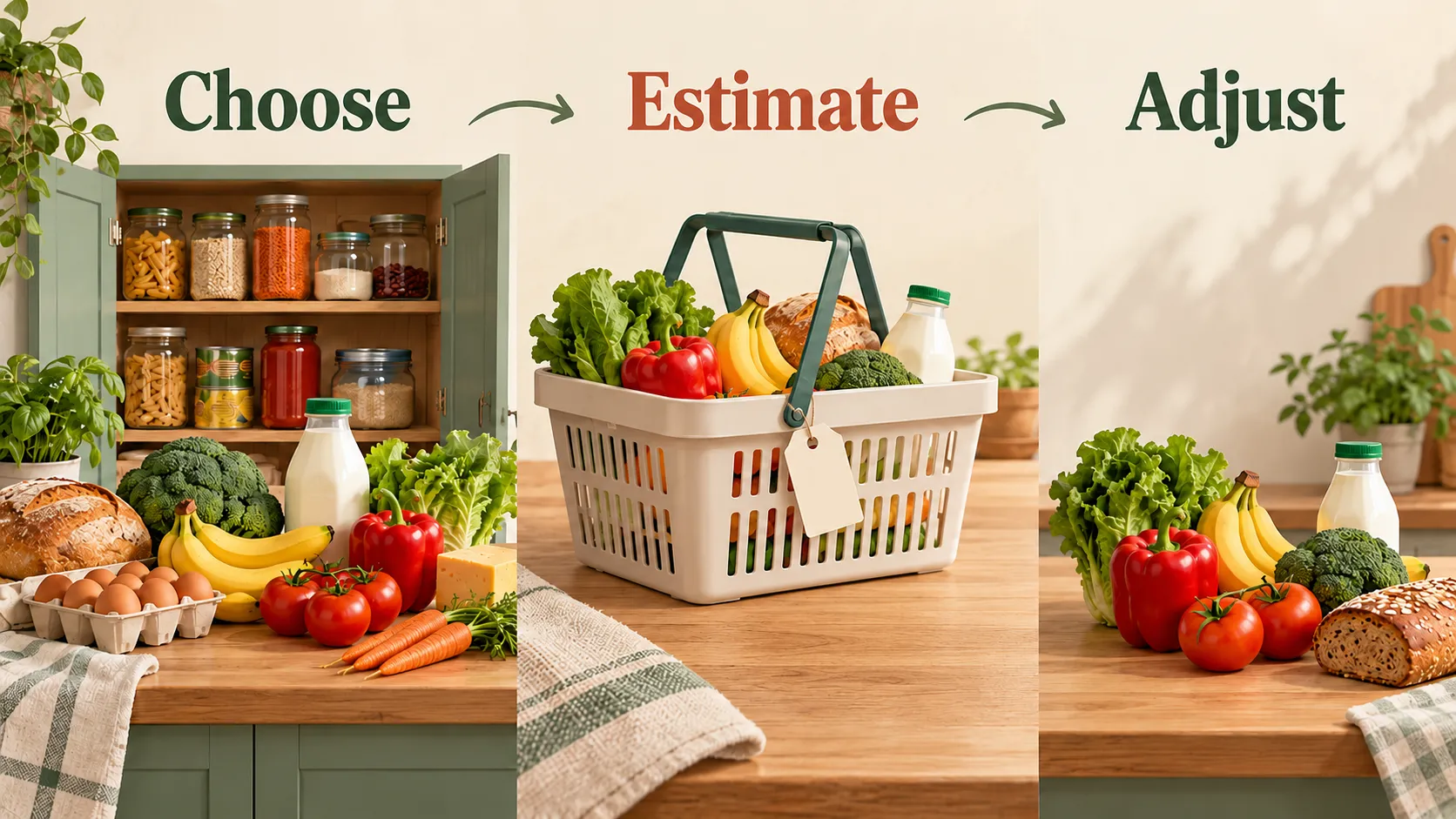
Choose an amount you can afford for the next grocery shop. Check food already at home, then add what you need to your shopping list. Marsonya's Buy Plan calculates an estimated cost and organises purchases by store, helping you adjust the list before checkout.
An expensive shop is frustrating enough without turning the next one into a spreadsheet project. Marsonya brings your kitchen stock and shopping plan together, so you can check what you need and see what the next shop is likely to cost.
How much should you set aside for groceries?
Start with an amount your household can afford until the next shop. Think about who will be eating at home and leave room for the milk, bread or other extras you usually buy between shops. A useful limit fits your household, rather than a suggested budget for someone else’s family.
Sorted’s budgeting guide starts with your income and commitments. For groceries, choose one spending limit and use it when checking the list. You can adjust the next shop as you learn what works.
Want to see your kitchen stock and plan your next shop in Marsonya? Join the early-access list and we will email you when access opens.
How can you estimate the next shop before checkout?
Add the products you need to your shopping list and open Marsonya’s Buy Plan. The app calculates an estimated total from available store prices and groups the purchases by store. Choose a one-store plan or a split across stores, then compare the estimated cost with the amount you want to spend.
You can see the cost before heading to checkout, without adding up each product yourself. If the list is over budget, swap a meal that needs several new ingredients for one using food at home, then update the list and check the new estimate.
The estimate helps you plan; the retailer’s checkout gives the final price and any delivery or pickup charges. For more about comparing stores, see the grocery savings guide.
How does knowing what’s at home help the budget?
Check Marsonya’s pantry, fridge and freezer record before adding products to your list. Rice on the shelf or vegetables in the freezer may already cover part of dinner. Knowing that changes what you need to buy, instead of letting a familiar packet go into the trolley out of habit.
Healthify’s NZ budget guide connects meal choices with the ingredients and spending they require. Marsonya keeps the stock record beside the shopping list, so food already bought can shape the next shop. Camera scanning saves recognised printed dates, and mobile reminders, with notifications enabled, help you notice food to use soon.
What can recent spending tell you about the next shop?
The mobile Stats view shows tracked monthly spending from receipts and supported retailer invoices held by the household. You can review those recorded charges without adding a separate monthly ledger. Coverage can be incomplete: missing receipts are not zero spending, and a partial month is not a full month. Pantry value is a separate estimate of recorded stock, not money spent.
If something regularly goes unused, buy less next time. Keep the routine simple: check your stock, build the list and look at the Buy Plan estimate. When necessary food is still unaffordable, MoneyTalks offers free support with the wider household budget.
What else do people ask about grocery budgeting?
Do I need a spreadsheet for my grocery budget?
Start with a spending limit and check the estimated cost in Buy Plan. You do not need to add each product's price by hand to plan the next shop.
Is the Buy Plan estimate the amount I will pay?
Buy Plan uses available store prices to estimate your list. The retailer's checkout gives the final total, including any delivery or pickup charges.
Does the value of my pantry show my monthly spending?
No. Stock value estimates the food recorded at home. The mobile Stats view has a separate tracked-spend figure based on the household's receipts and supported retailer invoices. Its coverage may be incomplete; it is not automatically all grocery spending.