
How long can you safely keep leftovers?
New Zealand Food Safety advises refrigerating leftovers within two hours, eating leftovers reheated hot within four days, and eating rice dishes or leftovers served cold within two days. Follow storage instructions and keep food properly chilled. Freezing suitable food while it is still safe gives you longer to use it.
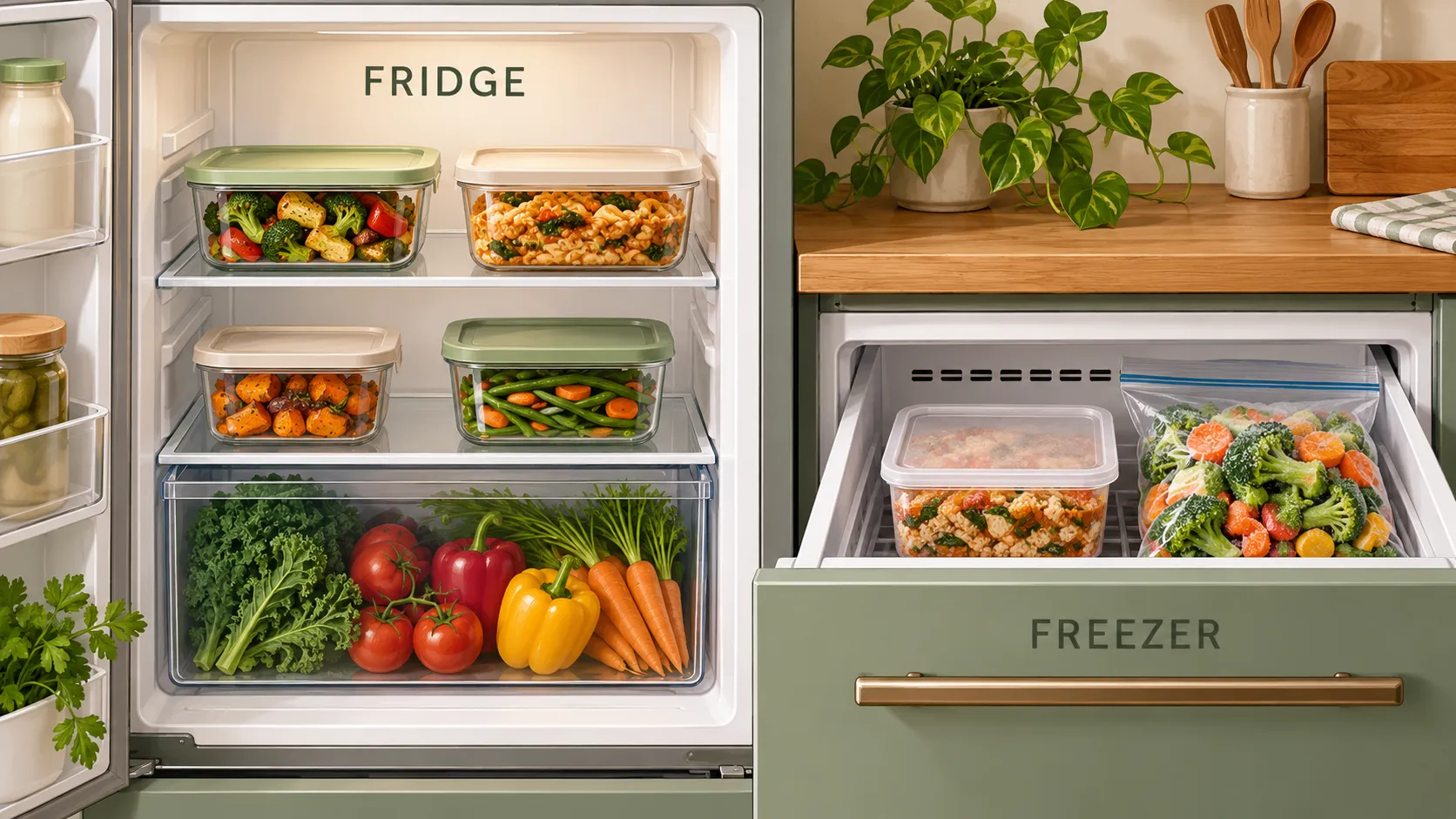
Cool and store leftovers promptly, keeping the cooking day in mind. New Zealand Food Safety’s fridge limits depend on the dish and whether you will eat it cold or reheat it until steaming hot.
To keep leftover dates alongside your other food records, join Marsonya’s early-access list. We will email you when access opens.
How long do leftovers last in the fridge in New Zealand?
New Zealand Food Safety’s guidance splits leftovers by how they get eaten. Leftovers reheated until steaming hot keep for up to four days in the fridge. Leftovers eaten cold, such as pasta, potato or roast-vege salad, should be eaten within two days. The clock starts at cooking time, and everything should reach the fridge within two hours of leaving the heat.
Why do rice leftovers get only two days?
Uncooked rice can carry Bacillus cereus spores that survive cooking. Left at room temperature, the spores can grow into bacteria that produce toxins. Reheating does not reliably remove that risk. New Zealand Food Safety therefore treats rice dishes like cold-eaten leftovers: refrigerate fast, eat within two days, and when in doubt, throw the rice out.
How long do leftovers last in the freezer?
Food that was safe before freezing and stays frozen at −18°C remains safe indefinitely, according to the USDA’s Food Safety and Inspection Service. The published freezer ranges describe quality, not a way to make unsafe food safe. FoodSafety.gov’s cold-storage chart suggests eating frozen cooked meat or poultry dishes within two to six months and frozen soups or stews within two to three months, before texture and flavour start to fade.
How do the NZ and US limits compare?
The guidance differs by food and intended use. The table keeps each authority’s figures separate rather than averaging them. For a New Zealand household, use the local guidance for leftovers; the US freezer ranges describe quality for the named dishes.
| Leftover type | New Zealand Food Safety | US guidance (FoodSafety.gov) |
|---|---|---|
| Leftovers reheated until steaming hot | 4 days in the fridge | 3-4 days in the fridge |
| Leftovers eaten cold (pasta, potato, roast-vege salads) | 2 days in the fridge | 3-4 days (prepared salads); don’t freeze well |
| Rice dishes | 2 days in the fridge | Not listed in this chart |
| Frozen cooked meat or poultry dishes | Not listed in the cited NZ guidance | 2-6 months (quality window) |
| Frozen soups and stews | Not listed in the cited NZ guidance | 2-3 months (quality window) |
Sources: New Zealand Food Safety, storing food safely at home and the FoodSafety.gov cold food storage chart, both accessed August 2026.
Can an app remember the two-day rule for you?
Marsonya keeps a leftover’s date with the other household food records and can schedule a mobile reminder when notifications are allowed. Leftovers without a printed label still need a name and a date chosen from the cooking day and applicable guidance. The app remembers that date; it does not calculate a safe storage period or assess the food.
See reducing food waste at home for planning around food you already have. The food storage guide covers fridge, freezer and pantry times for other common foods.
What else do people ask about leftovers?
Can reheating make rice kept too long safe?
Do not rely on reheating to remove the risk from rice stored incorrectly. Refrigerate rice promptly and follow New Zealand Food Safety's two-day guidance; when in doubt, throw it out.
Does putting leftovers in the freezer fix unsafe storage?
No. Freezing does not make unsafe food safe. The quoted freezer ranges concern quality for food that was safe before freezing and stays frozen.
Can Marsonya choose a safe date for a homemade meal?
No. You choose the date using the cooking day and applicable guidance. Marsonya can store it and provide a mobile reminder with notification permission, but it does not assess the meal.